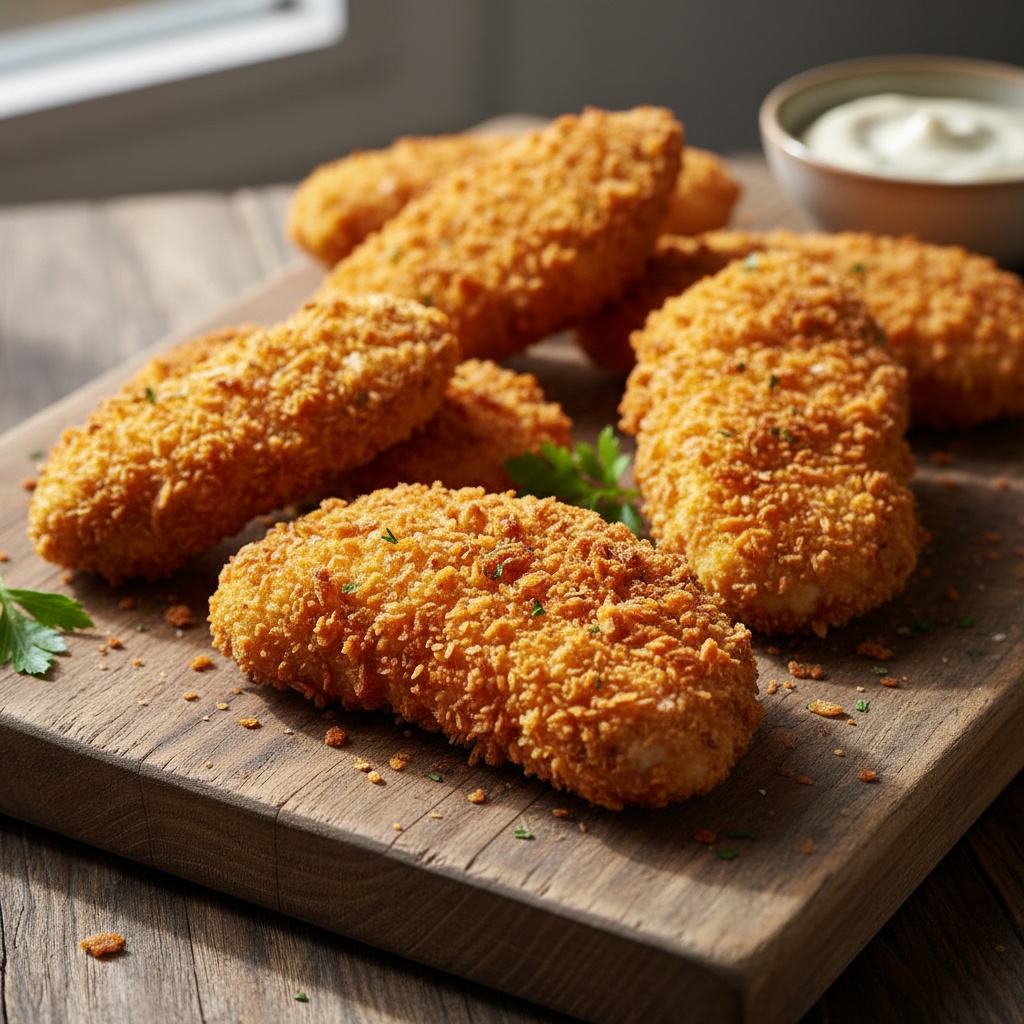
Mastering the Art of Breading Chicken: Flour or No Flour?
When it comes to breading chicken, opinions can vary widely. Some recipes insist on using flour, eggs, and breadcrumbs, while others skip the flour entirely, especially when utilizing an air fryer. Understanding the role of flour in the breading process can elevate your chicken dishes, making them a family favorite.
Why Use Flour in Breading?
Flour plays a crucial role in the breading process, primarily by providing a dry surface for the egg wash to adhere to. This is particularly beneficial when dealing with moist chicken pieces. The flour absorbs excess moisture, creating a better foundation for the breadcrumbs to stick to. Here's how flour impacts breading:
- Adhesion: Flour helps the egg wash stick to the chicken, ensuring that the breadcrumbs have something to cling to.
- Texture: A light coat of flour can contribute to a more substantial, crispy texture, akin to that of classic fried chicken.
- Even Coating: Flour can help achieve a more even coating, preventing the breadcrumbs from slipping off during cooking.
When to Skip Flour
In certain situations, especially with air frying, omitting flour might be beneficial. Here’s why some recipes choose to forgo flour:
- Lighter Coating: Skipping the flour can lead to a lighter, less dense coating, which can be preferable for certain dishes.
- Air Fryer Efficiency: Air fryers circulate hot air rapidly, which can help dry the chicken surface, making flour less necessary for adhesion.
- Health Considerations: Omitting flour reduces the overall carbohydrate content and makes the dish slightly healthier.
Practical Tips for Breading Chicken
1. The Flour-Egg-Breadcrumb Method
This classic method involves a three-step process:
- Dredge: Lightly coat the chicken in flour, shaking off excess.
- Dip: Submerge in beaten eggs or an egg wash for moisture and binding.
- Coat: Roll in breadcrumbs or panko for crunchiness.
2. Flour-Free Breading
For a flour-free option, try this technique:
- Moisture Management: Pat the chicken dry with paper towels to minimize moisture.
- Direct Dip: Use a thicker egg wash or buttermilk to help the breadcrumbs stick.
- Breadcrumb Application: Press the breadcrumbs firmly onto the chicken to ensure they adhere.
Experimenting with Different Breading Techniques
Don't hesitate to experiment with breading techniques to discover what works best for your family's taste preferences. Whether you choose flour or not depends on the texture and flavor you’re aiming to achieve.
Explore These Breading Variations:
- Double Breading: Repeating the egg and breadcrumb steps can lead to an extra crispy coating.
- Seasoned Flour: Add spices to the flour for an additional flavor boost.
- Mixed Breadcrumbs: Combine panko with traditional breadcrumbs for varied texture.
Frequently Asked Questions
1. Does using flour make the chicken crispier?
Yes, using flour can contribute to a crispier texture as it helps the breadcrumbs adhere better, allowing for a more even and substantial coating.
2. Can you use alternatives to flour?
Yes, cornstarch or almond flour are great alternatives, especially for those seeking gluten-free options. They also help with adhesion and texture.
3. Is it necessary to season the flour?
Seasoning the flour is not mandatory but highly recommended. It adds flavor to the chicken and enhances the overall taste of the breading.
4. How can I ensure the breadcrumbs stick without flour?
Make sure the chicken is dry and use a thicker egg wash or buttermilk. Additionally, press the breadcrumbs firmly onto the chicken to help them adhere.
5. Why does breading sometimes fall off during cooking?
Breading may fall off if the chicken surface is too wet or if the coating isn't applied firmly. Ensuring each step is well-executed can help maintain the breading.
Ready to elevate your family meals with perfectly breaded chicken? Download the Bean app today for more recipes and tips to make healthy, delicious meals stress-free!