Effortless, Nutritious Meals for Beginners: From Pasta to Plant-Based Pleasures
Cooking can seem daunting for beginners, especially when you're juggling dietary restrictions and the challenges of ADHD or autism. But fear not! We've crafted a guide full of easy, nutritious meals that cater to limited cooking skills and a lactose-intolerant diet. These recipes are designed to reduce the need for chopping and offer satisfying alternatives to pasta, making healthy eating a breeze.
Starting Simple: Transitioning from Pasta
If you're already comfortable with pasta, you're off to a great start. Let's build on that by introducing some delightful variations that ease the transition to more diverse meals while keeping prep work minimal.
1. Veggie and Bean Pasta
This dish is a fantastic way to incorporate more vegetables and protein without straying too far from the familiar.
- Use your favorite pasta as a base.
- Add canned beans (like chickpeas or cannellini) for protein.
- Incorporate frozen, pre-chopped veggies such as spinach, peas, or carrots.
- Toss with a drizzle of olive oil and a sprinkle of Pecorino Romano for flavor.
2. Rice and Lentil Bowls
Rice is another simple staple that can be as versatile as pasta. With a rice cooker, it’s nearly foolproof.
- Cook a pot of rice and mix with lentils for added protein.
- Incorporate frozen veggies like broccoli or green beans.
- Season with herbs like thyme or rosemary for a fragrant touch.
Beyond Pasta: Expanding Your Culinary Horizons
Once comfortable with these basics, it's time to explore more diverse and exciting recipes that remain simple and health-conscious.
3. One-Pot Vegetable Chili
Chili is a hearty, customizable dish perfect for chilly evenings and busy schedules.
- Use canned black beans and tomatoes as your base.
- Add spices like cumin, paprika, and garlic powder for flavor.
- Mix in your choice of frozen vegetables. Corn, zucchini, and mushrooms work wonderfully.
- Top with hard cheese like Pecorino Romano for a lactose-friendly finish.
4. Easy Veggie Casserole
Casseroles are forgiving and easy to prepare—perfect for beginners.
- Layer cooked rice or quinoa with frozen veggies and canned beans.
- Add a non-dairy sauce or broth for moisture.
- Sprinkle with your favorite hard cheese before baking.
Practical Tips for Beginner Cooks
Here are some practical tips to make your cooking journey smoother and more enjoyable:
Invest in Kitchen Gadgets
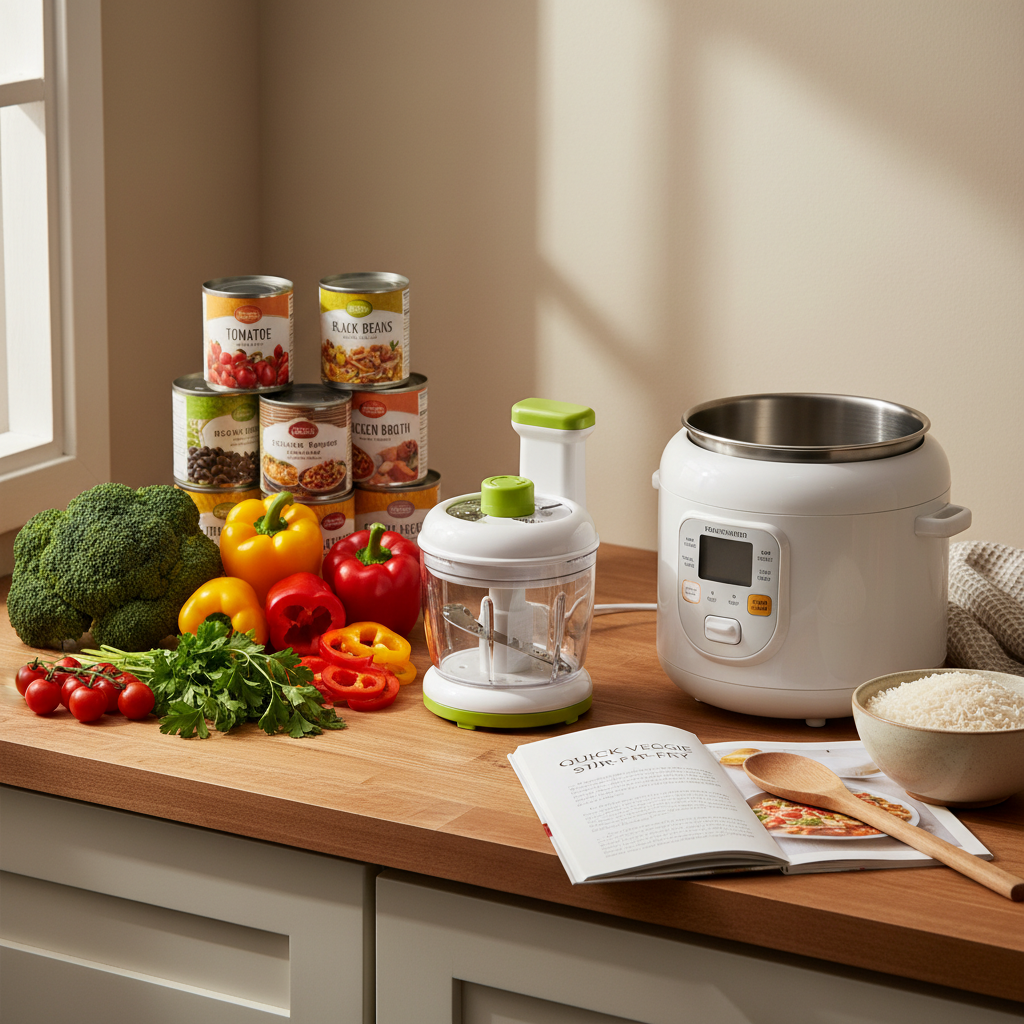
Consider tools like a vegetable chopper or rice cooker to cut down on prep time and effort.
Use Pre-Cut Ingredients
Frozen pre-cut vegetables are a lifesaver for quick and easy meals without the fuss.
Learn Basic Knife Skills
Start small, practicing with soft fruits or cooked veggies, and gradually improve your skills for more confidence in the kitchen.
Frequently Asked Questions
How can I make meals more flavorful without adding spice?
Use herbs like basil, thyme, or oregano. Citrus zest and juices can also brighten up dishes without adding heat.
What are some easy lactose-free alternatives for cream sauces?
Consider using coconut milk or almond milk as a base for sauces. Nutritional yeast can also add a cheesy flavor.
How can I add protein to vegetarian meals?
Incorporate beans, lentils, or tofu. Quinoa is also a great source of protein for a plant-based diet.
Are there any quick snacks that are also healthy?
Try hummus with carrot sticks, apple slices with almond butter, or a handful of mixed nuts for a quick and healthy snack.
What’s an easy dessert for someone with limited cooking skills?
Fresh fruit salad with a splash of lemon juice or a simple chia pudding with almond milk and berries are delightful options.
Ready to transform your cooking experience with more easy and nutritious recipes? Download the Bean app today and sign up for our newsletter to receive the latest tips and meal ideas directly to your inbox!